
Evaluate the Teacher Resource Platforms | A Thorough Guide
In the digital age, education has transformed significantly, and teachers now rely heavily on online tools to enhance their teaching methods. Teacher resource platforms provide ready-made lesson plans, assessment tools, and interactive content that simplify classroom management and improve student engagement. However, not all platforms offer the same value, which is why it is essential to evaluate the teacher resource platforms before adopting them.
This article provides a detailed evaluation framework, discusses popular platforms, and explains how to choose the best one for your teaching needs.
What Are Teacher Resource Platforms?
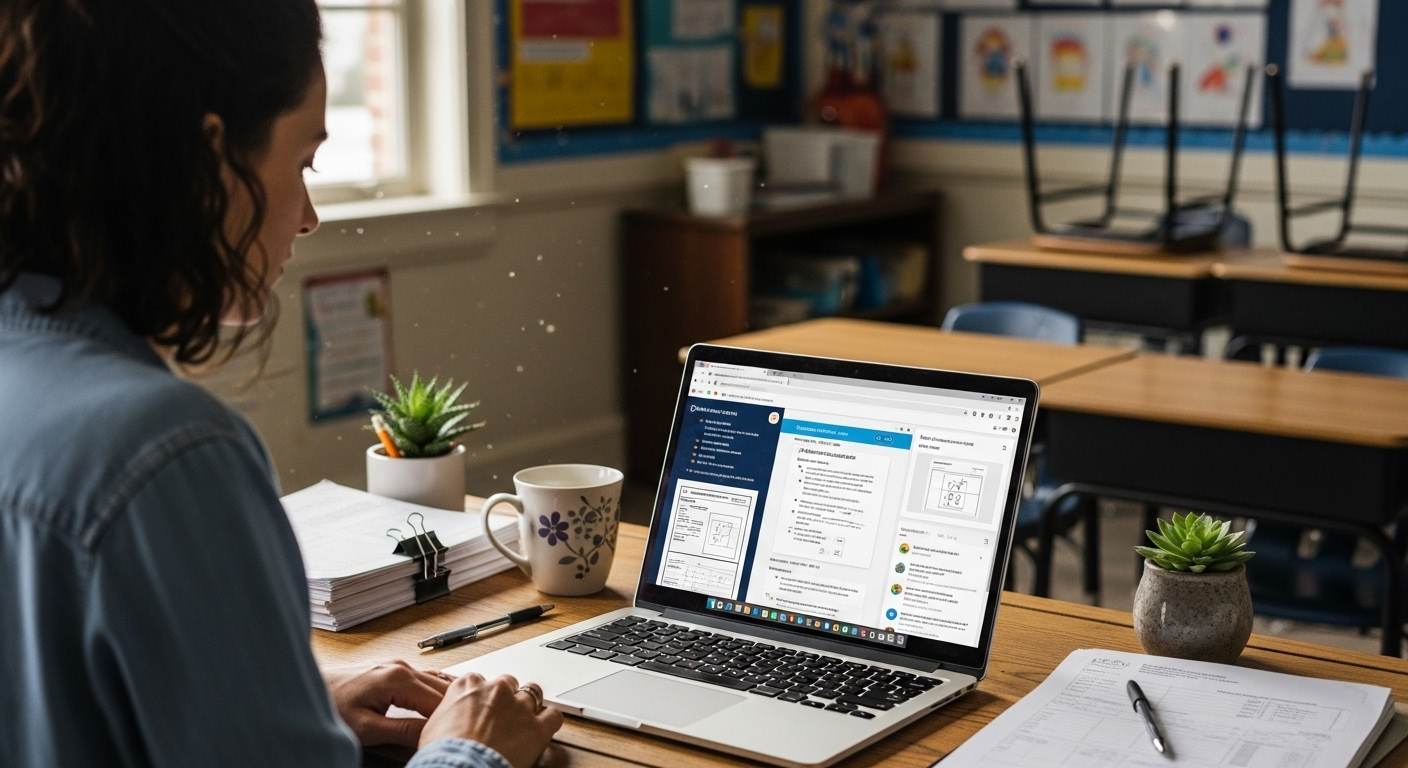
Teacher resource platforms are online systems designed to support educators with instructional materials and teaching tools. These platforms typically include worksheets, lesson plans, multimedia content, and student assessment features.
They aim to reduce workload, improve teaching quality, and provide structured resources aligned with educational standards.
Why Evaluating Teacher Resource Platforms Matters
Choosing the right platform directly impacts teaching effectiveness and student outcomes. Without proper evaluation, teachers may end up using tools that are difficult to navigate, lack quality content, or do not align with curriculum requirements.
A well-evaluated platform ensures:
- Better teaching efficiency
- Improved student engagement
- Accurate assessment and feedback
- Enhanced learning experiences
Key Aspects to Evaluate Teacher Resources Platforms
1. Content Quality and Curriculum Alignment
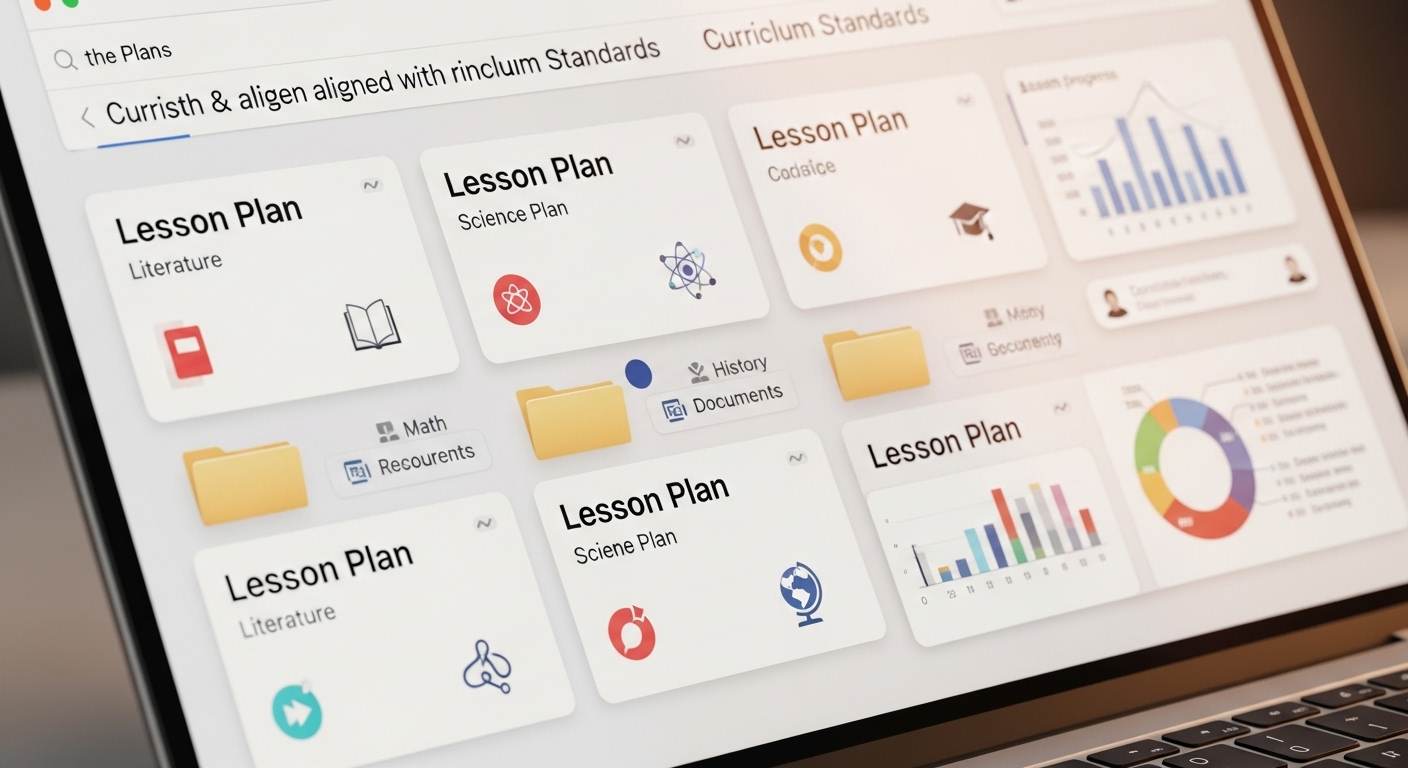
The most crucial factor is whether the platform offers high-quality, accurate, and updated content. Resources should align with the curriculum and cater to different learning levels.
A productive platform provides diverse materials such as videos, quizzes, and interactive activities to support various teaching styles.
2. Usability and Interface

A teacher resource platform must be easy to use. Complicated interfaces can waste time and reduce productivity. A well-designed platform should allow teachers to quickly find and implement resources.
3. Assessment and Feedback Tools
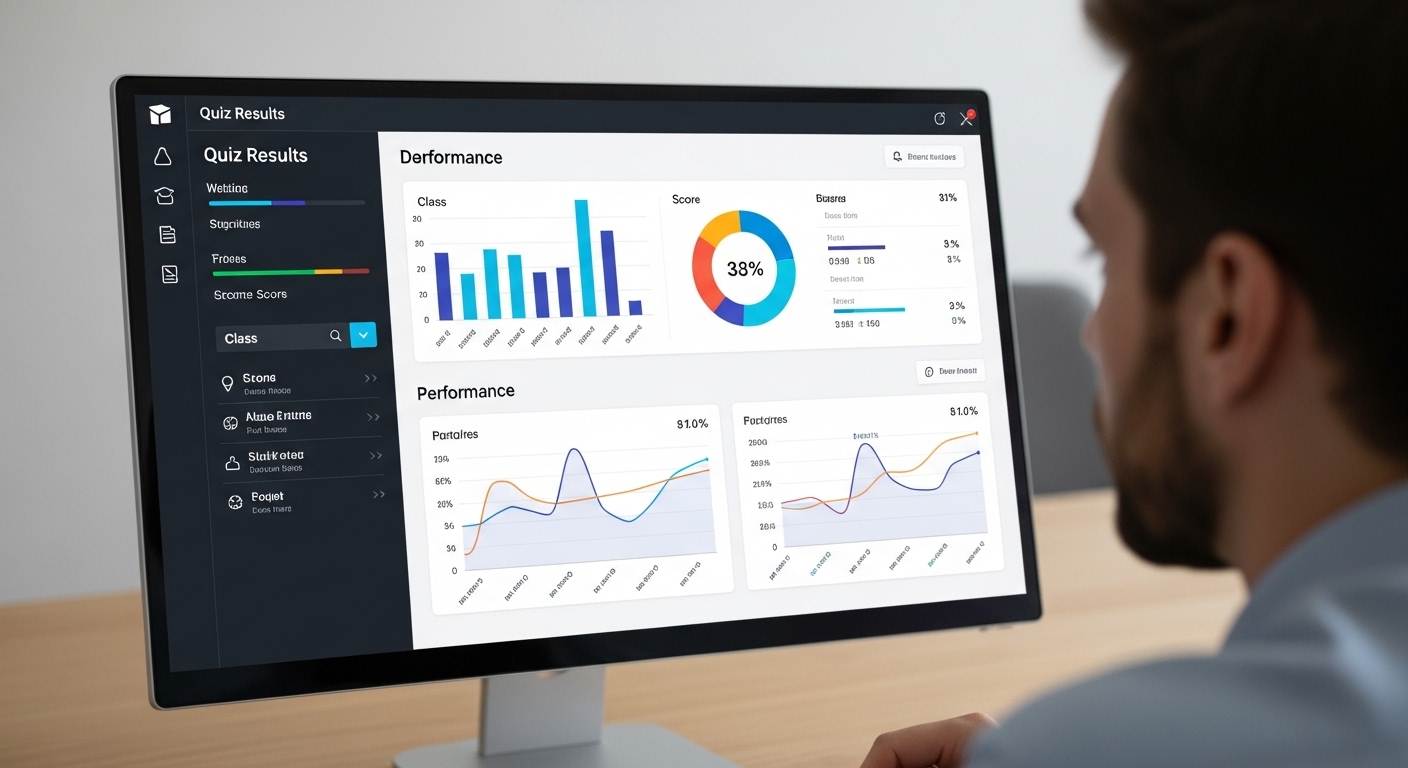
Modern platforms include features like quizzes, assignments, and automated grading. These tools help teachers monitor student progress and provide instant feedback, which enhances learning outcomes.
4. Personalization and Adaptability
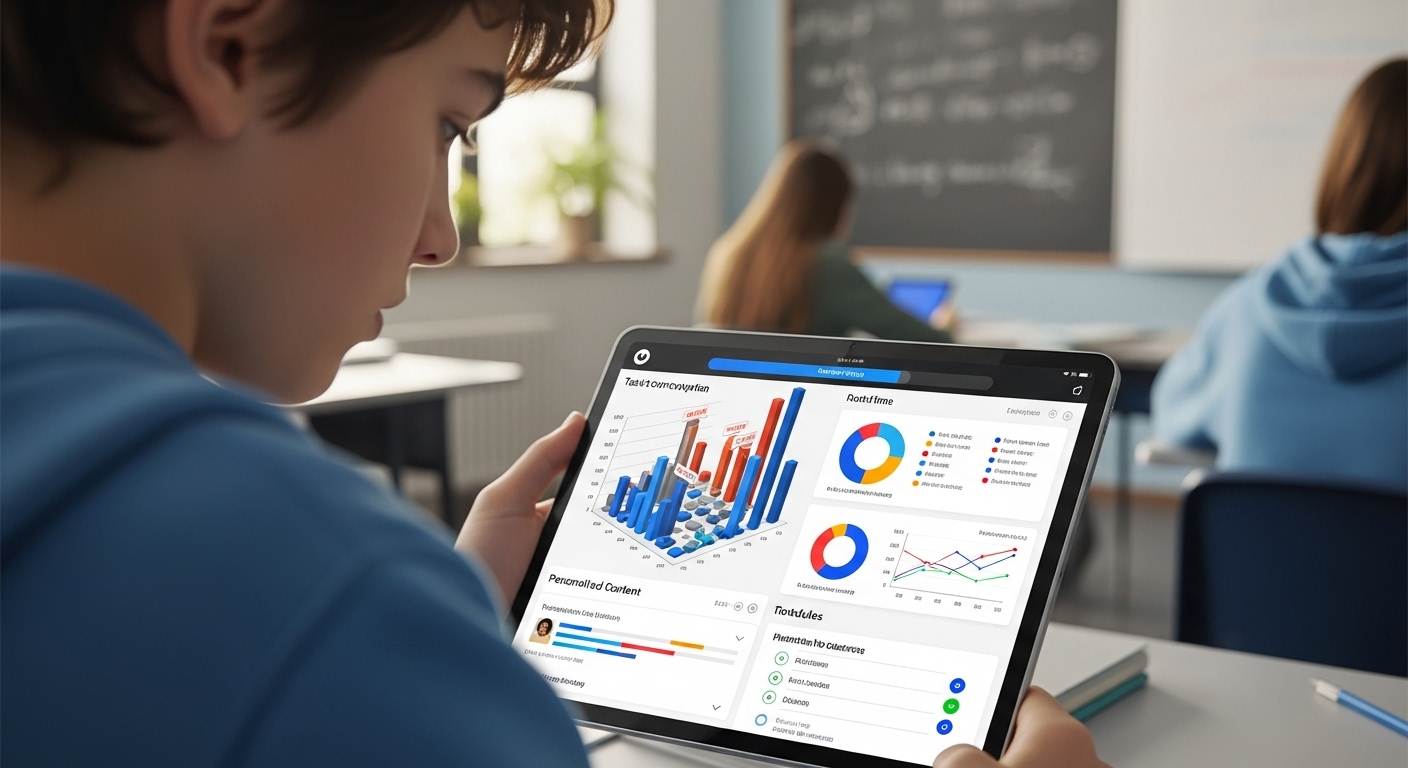
Effective platforms support personalized learning by adapting content based on student performance. This ensures that each student receives a learning experience tailored to their needs.
5. Collaboration Features

Many platforms allow teachers to collaborate, share resources, and exchange ideas. This creates a community where educators can learn from each other and improve their teaching strategies.
6. Accessibility and Inclusivity

Accessibility is crucial for ensuring that all students can benefit from the platform. Features like audio support, subtitles, and simplified content help create an inclusive learning environment.
7. Cost and Value for Money

Some platforms are free, while others require subscriptions. It is important to evaluate whether the features provided justify the cost.
Popular Teacher Resource Platforms and Their Evaluation
1. OER Commons
OER Commons is a widely used platform offering free educational resources. It provides a large collection of lesson plans and materials across various subjects.
Evaluation:
- Strength: Free access and extensive content library
- Limitation: Content quality may vary since it is user-generated
2. Teach Starter
Teach Starter provides structured and curriculum-aligned teaching materials. It is known for its organized content and professional design.
Evaluation:
- Strength: High-quality, ready-to-use resources
- Limitation: Requires a subscription for full access
3. Google Classroom
Google Classroom is a popular platform for managing assignments, communication, and classroom organization.
Evaluation:
- Strength: Easy to use and integrates well with other tools
- Limitation: Limited built-in teaching resources compared to other platforms
Teacher resource platforms offer numerous advantages that improve both teaching and learning experiences.
Benefits of Using Teacher Resource Platforms

1: Increased Efficiency
Teachers can save time by using ready-made lesson plans and automated tools.
2: Better Student Engagement
Interactive content keeps students interested and motivated.
3: Data-Driven Insights
Platforms provide performance analytics to help teachers make informed decisions.
4: Flexible Learning
Students can access materials anytime, supporting remote and hybrid learning.
Challenges in Evaluating Teacher Resource Platforms

Despite their benefits, evaluating these platforms can be challenging.
1: Overwhelming Choices
The large number of available platforms makes selection difficult.
2: Quality Inconsistency
Not all platforms maintain consistent quality standards.
3: Technical Limitations
Some platforms may experience performance issues or lack necessary features.
4: Data Privacy Concerns
Teachers must ensure that student data is protected and handled securely.
Future Trends in Teacher Resource Platforms

The future of teacher resource platforms is shaped by technological advancements.
1. Intelligence Integration
AI is being used to personalize learning, automate grading, and provide insights.
2. Gamification
Game-based learning is becoming more popular, making education more interactive.
3. Cloud-Based Systems
Cloud technology enables access to resources from anywhere, supporting flexible learning environments.
4. Advanced Analytics
Data analytics tools help teachers track progress and improve teaching strategies.
Conclusion
Evaluating teacher resource platforms is essential for modern educators who want to enhance their teaching effectiveness. By analyzing factors such as content quality, usability, personalization, and cost, teachers can select the most suitable platform for their needs.
While platforms like OER Commons, Teach Starter, Google Classroom, Kahoot, and TES offer valuable features, each has its strengths and limitations. Careful evaluation ensures that educators choose tools that align with their goals and provide the best learning experience for students.
Frequently Asked Questions (FAQs)
1. What is the purpose of teacher resource platforms?
They help teachers access lesson plans, teaching materials, and assessment tools to improve classroom efficiency.
2. How do I choose the best teacher resource platform?
Evaluate factors such as content quality, usability, features, and cost before making a decision.
3. Are free platforms reliable?
Free platforms can be useful, but their content quality may vary compared to paid platforms.