
Should School Start Later? Exploring the Benefits, Challenges, and Research
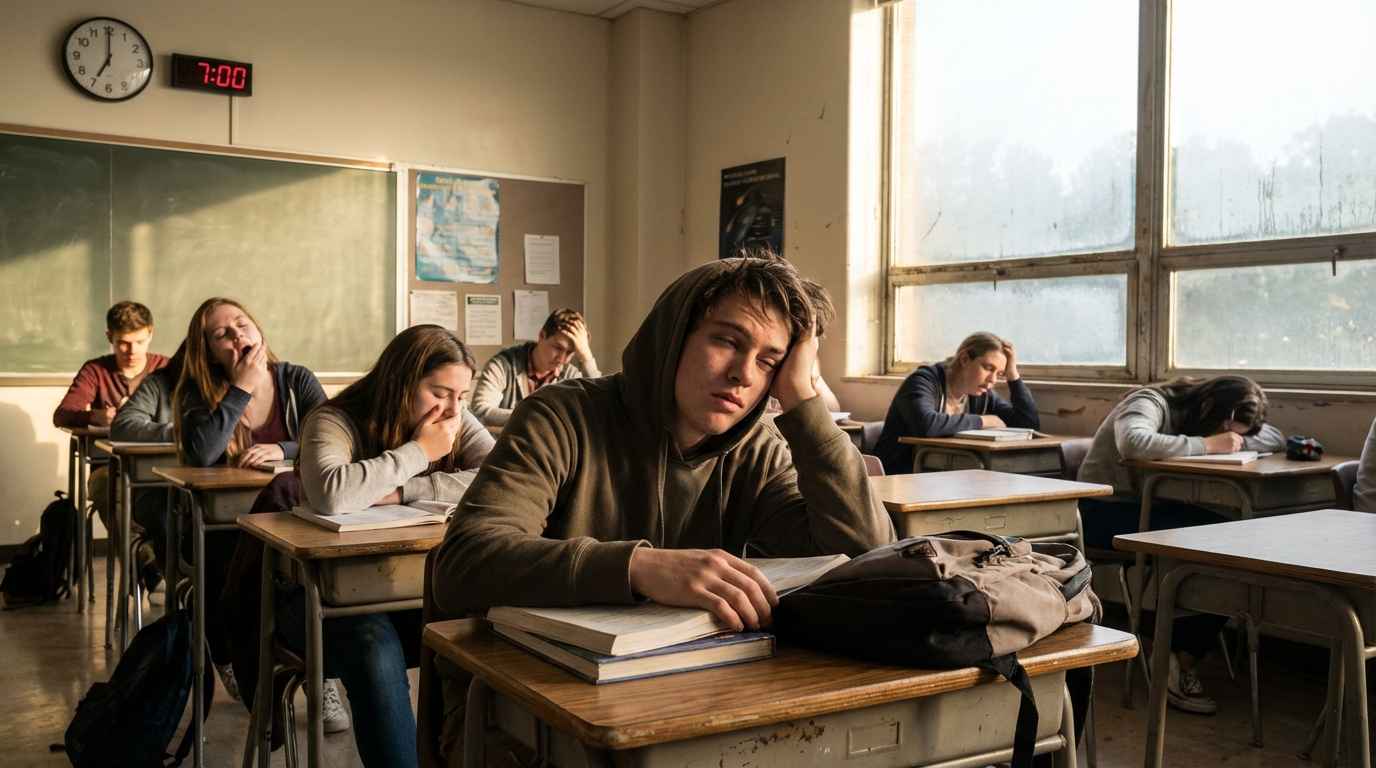
The controversy as to whether schools should open late or not has been on the rise in the last ten years. With the growing body of research on the matter of adolescent sleep and mental health, the idea of conventional early mornings is becoming a subject of growing debate among educators, parents, and policy-makers. Decades of middle and high schools have begun as early as 7: 00 or 7: 30 a.m. making students get up earlier before the sun shines. However, does this schedule comply with the biological needs of teenagers?
The article discusses science, advantages, and challenges of later school start times, as well as real-life examples of them, so you can know whether moving the school day can make a significant difference.
Learning about Teen Sleep Patterns.
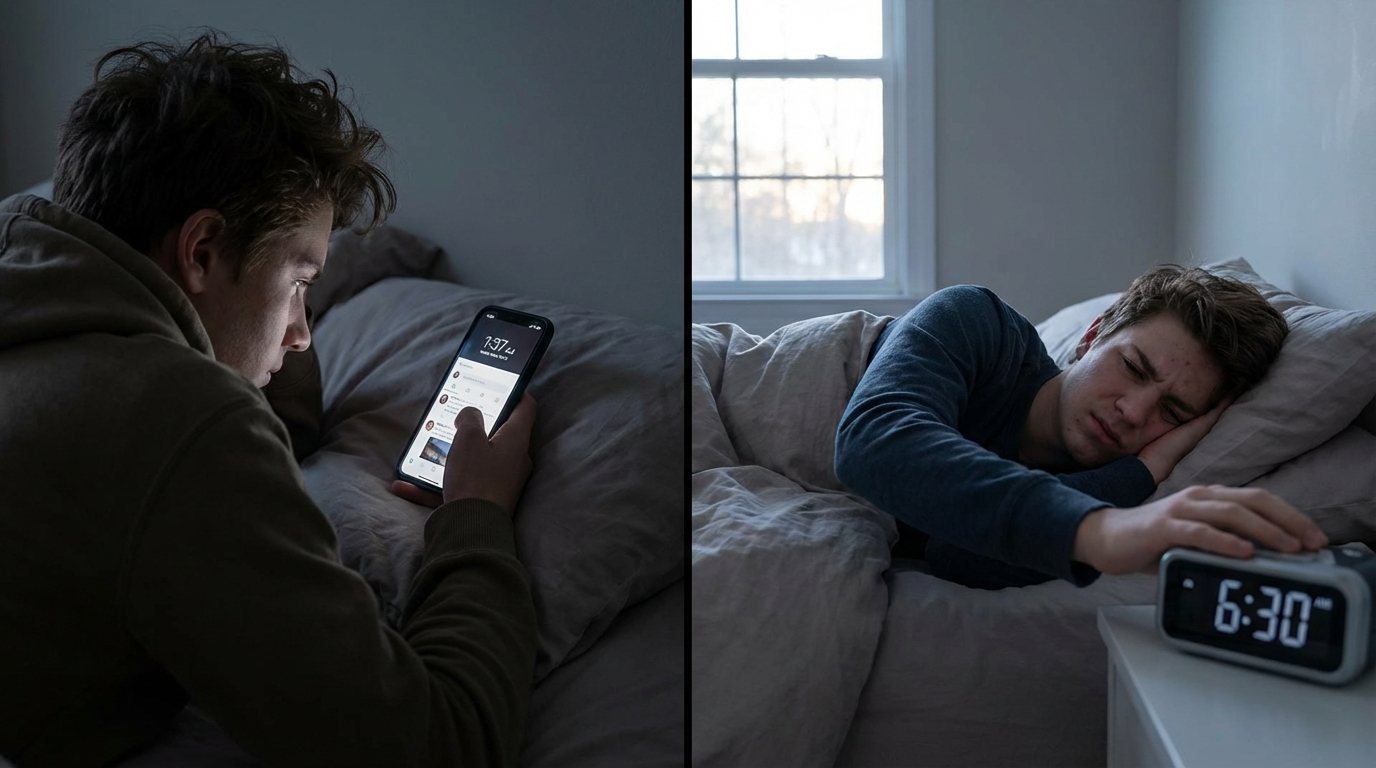
In order to know whether school should start later it is necessary first to examine the way teenage brains work. The works of such institutions like the American Academy of Pediatrics and the Centers of Disease Control and Prevention indicate a biological change in the circadian rhythm of adolescents at puberty.
This alteration is also known as sleep phase delay, which makes the teenagers have a natural tendency to feel awake at later night and have a problem with waking up early in the morning. Teenagers do not get too tired till 10.30 pm. or even later as compared to the younger children who might feel sleepy as late as 8.30 pm. Nevertheless, healthy development still needs them 810 hours of sleep every night.
Teenagers are made to wake up before their bodies are prepared in case of schools opening too early causing chronic sleep deprivation.
The academic performance and cognitive function.

Academic performance is one of the best points to support the later school start times. Sleep is important in memory consolidation, concentration, and ability to solve problems.
Students who are sleep-deprived exhibit:
- Reduced concentration
- Slower reaction times
- Poor memory retention
- Increased errors in tasks
In the schools that switched to later start times, it is common to find that the attendance rate is good, the cases of tardiness are reduced, and the grades improve. Ambient lighting increases alertness among students in the initial classes of the day, mostly the basic academic courses like math and science.
Mental Health Benefits

Mental health concerns among teenagers have risen significantly in recent years. Anxiety, depression, and stress are common challenges faced by adolescents. Sleep deprivation can worsen all of these issues.
Lack of adequate sleep is linked to:
- Increased risk of depression
- Higher levels of anxiety
- Mood swings and irritability
- Reduced emotional regulation
Later school start times allow students to get more restorative sleep, which directly impacts emotional stability. Studies suggest that students who sleep more are better equipped to manage stress and maintain healthier social relationships.
Additionally, improved sleep may reduce the risk of serious mental health crises, including suicidal thoughts, which have been associated with chronic sleep deprivation in teens.
Physical Health and Safety

Sleep is essential not only to mental and academic well-being but also to physical health. Sleep deprivation may lead to a weakened immune system, a higher probability of obesity, and disrupted hormonal regulation in the human body when it is chronic.
Student safety is another important issue. A good number of the high school students commute to school. It has been found that drowsy driving poses a high probability of car accidents. In some cases, the rates of car crashes among teens in schools that begin at a later time decrease due to the fact that students are more attentive on the road.
Those communities that have adopted later start times often record a decline in morning accidents occurred by teenagers.
Real-World Examples
Many school districts in the United States have modified their schedules based on sleep research. Indicatively, Seattle Public Schools changed the time of high school start from 7:50 to 8:45 a.m. Studies also revealed that after the change, students slept more and their grades and attendance improved.
On the same note, Fairfax County Public Schools shifted the starting time later and they noticed improved alertness by students and fewer cases of sleepiness during the day.
These instances show that the change of the schedule could result in tangible benefits when it is done with careful consideration.
Problems of Late Starting to School.
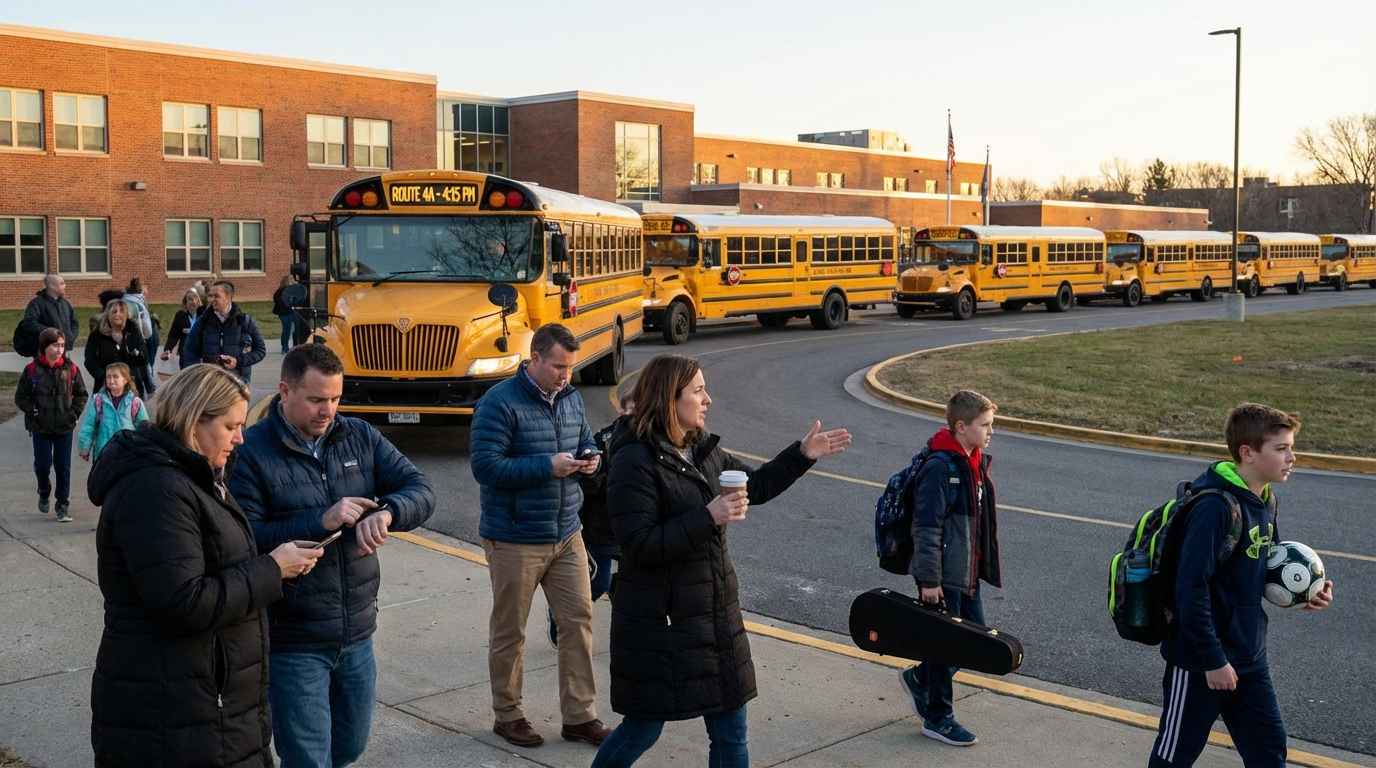
There are a number of obstacles to changing school start times despite the advantages. The opponents claim that subsequent arrangements may cause logistical and financial problems.
1.Transportation Issues
The school districts usually have tiered bus services where the buses pick the schools at various times. Switching of start time can involve the need to find more buses and drivers which will be costly.
2. Effects on After-School Activities.
A later time of dismissal may impact on sports practices, extracurricular activities and part-time jobs. Athletic students might have fewer hours in the day to practice outside particularly in winter seasons.
3. Family Scheduling conflicts.
Another reason why many parents insist on their kids attending school early enough is to fit their timetable of work. Later start can cause childcare problems to families with younger siblings or working parents.
4. Community Resistance
Habitual practices are hard to break. According to some of the members of the community, responsibility and discipline also means getting up early in the morning. Others think that the issue is not early start time but the use of technology at night.
Final Thoughts

Teenagers are not simply “lazy” in the morning; their brains are biologically wired to sleep later and wake later. Forcing early start times results in chronic sleep deprivation, which affects academic performance, mental health, physical health, and safety.
However, implementing later start times requires thoughtful planning to address transportation, extracurricular activities, and family scheduling concerns. With proper coordination, many districts have successfully made the shift.
Ultimately, aligning school schedules with adolescent biology may be one of the simplest yet most impactful changes schools can make to support student well-being and success.
Frequently Asked Questions (FAQs)
1. What time should schools start according to experts?
Health organizations like the American Academy of Pediatrics recommend that middle and high schools start no earlier than 8:30 a.m.
2. Do later start times really improve grades?
Research from multiple school districts indicates improvements in attendance, alertness, and academic performance after shifting to later start times.
3. Will students just stay up later if school starts later?
While some students might initially adjust their bedtime, studies show that many teens actually get more total sleep when school starts later.