Classroom Management Games: Fun and Effective Strategies to Improve Student Behavior
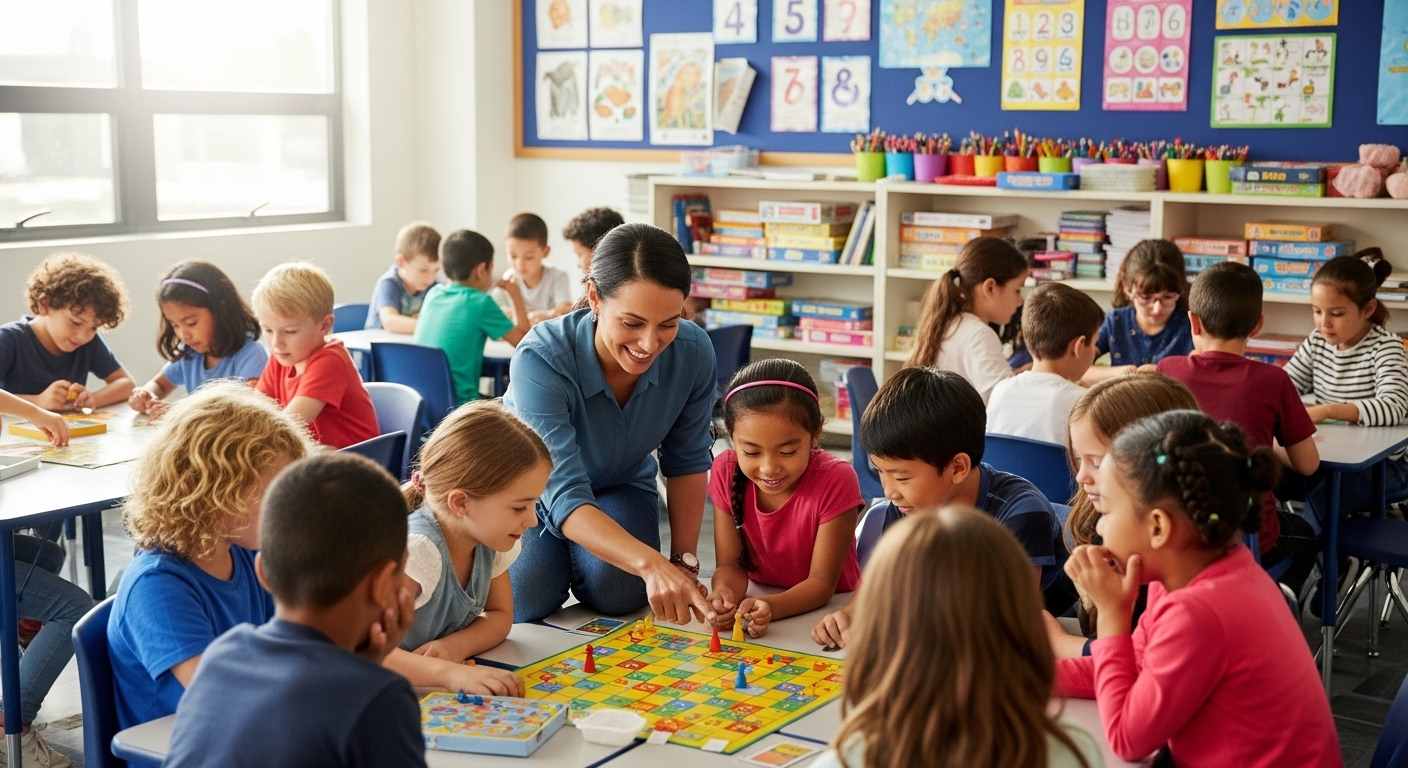
Classroom management can be complicated particularly when the students are of diverse energy, attention span, and learning styles. The old-fashioned methods of discipline are not always able to retain students. It is here that classroom management games are provided. These games also aim at good behaviour, enhance concentration and fostering a team-work atmosphere in the classroom besides being fun.
Through the inclusion of systematic games in the day-to-day life of the child, the discipline can be turned into an interactive and fun procedure. You do not always correct students but motivate and involve them in better behavior.
The relevance of Classroom Management Games.
The classroom management games are critical in modifying the behavior of the students. They balance learning and fun and this makes the students not feel pressured as they are kept focused.
These games make the students realize that they would play by rules without fear of punishment. They also enhance social skills, teamwork and communication. Students will be less likely to misbehave when they are interested and hence the classroom becomes more productive.
Besides, the activities alleviate the stress on teachers. Games are more effective and fun than asking people to shut up or discipline them during the process.
Best Classroom Management Games with students.
1. Silent Ball
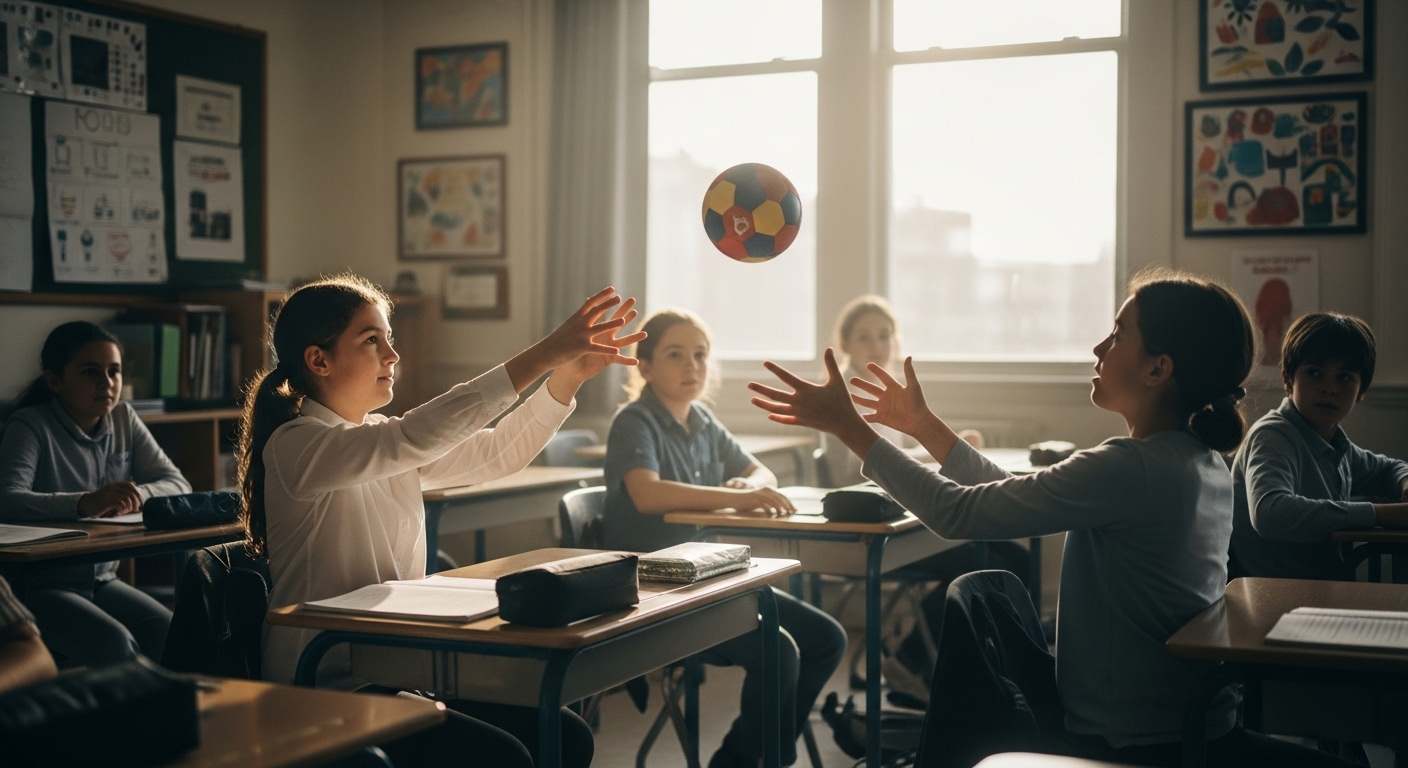
Silent Ball is a simple but an effective game that teaches the students to be self-contained. Students do not speak, passing a ball to one another. In case a person speaks or drops the ball, he/she is out.
The game is appropriate when the classroom becomes too loud. It immediately changes the atmosphere of the disorder into order.
2. 3-2-1 Freeze Game

During this activity, the teacher will count between one and three, and one and all the students should freeze. Any person still moving or speaking is kindly rebuked. It particularly comes in handy when there is a transition, like group work to lectures.
3. Mystery Student Game
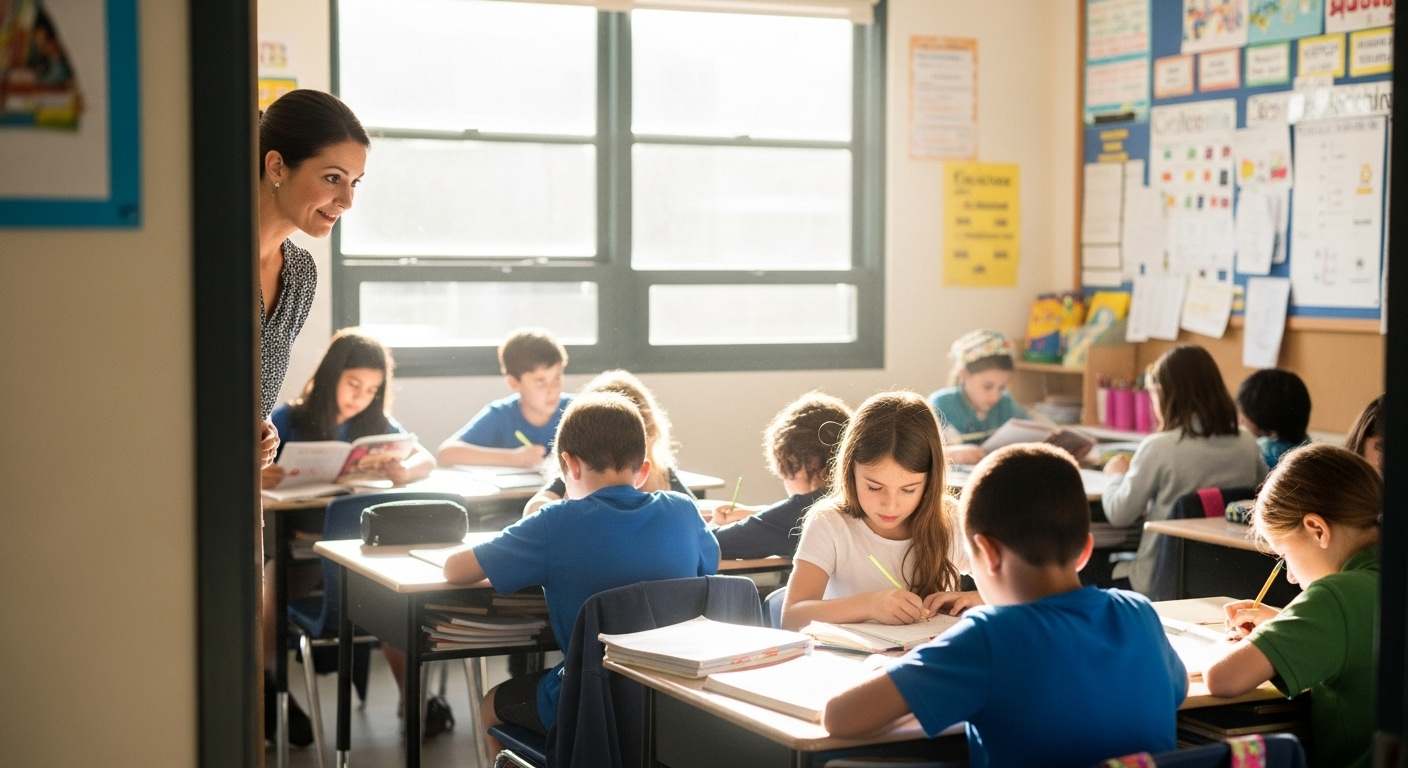
At the start of the lesson, the teacher makes a secret choice of one of the students. In case the said student adheres to all the rules, he or she gets rewarded at the end. No one has any idea of who this mystery student is, hence everybody attempts to act well.
4. The Teacher vs. Students Challenge.
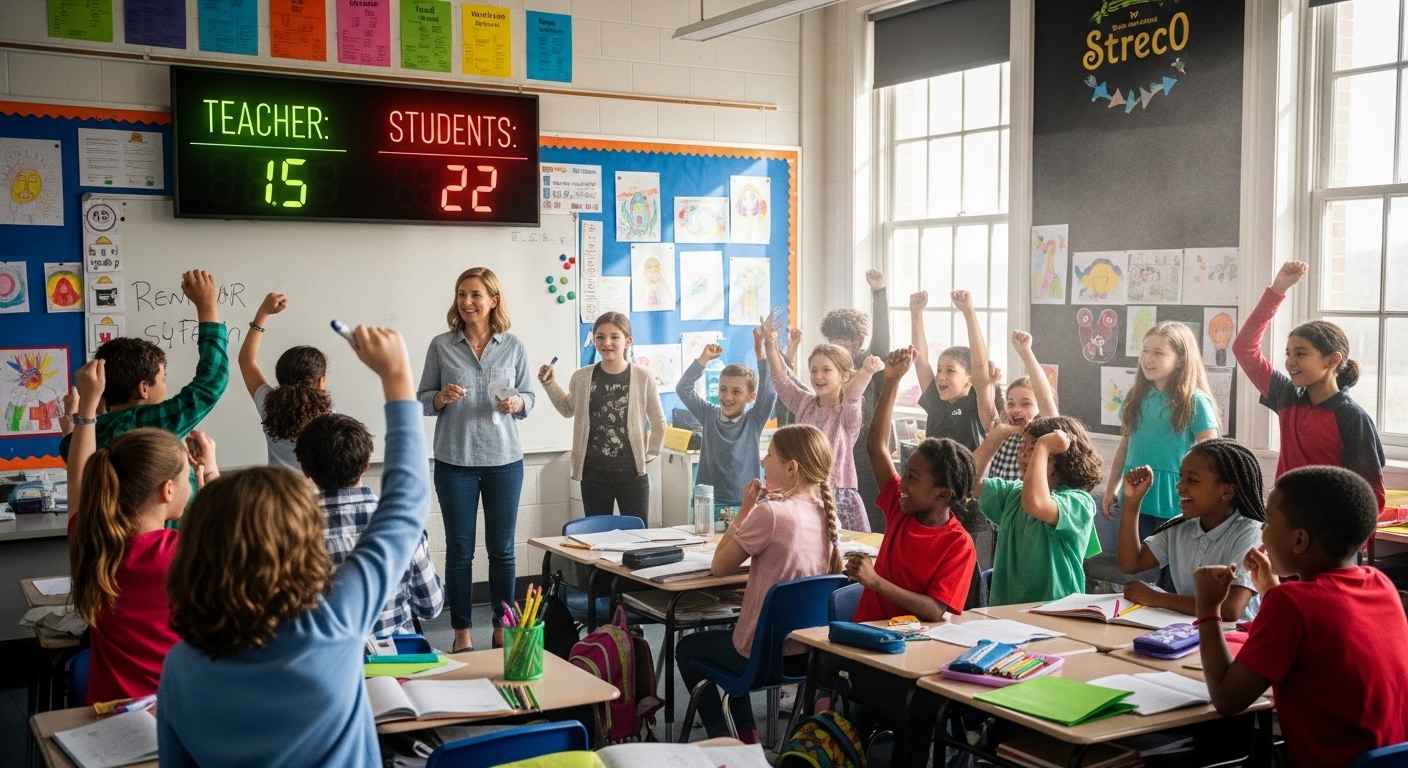
This game initiates a competition between the educator and the group that is enjoyable. The points are given out according to behaviour. In case students act in a good way, they gain points and vice versa. This is a technique that encourages the students to remain disciplined, and at the same time, they have a sense of being in a team.
5. Classroom Bingo
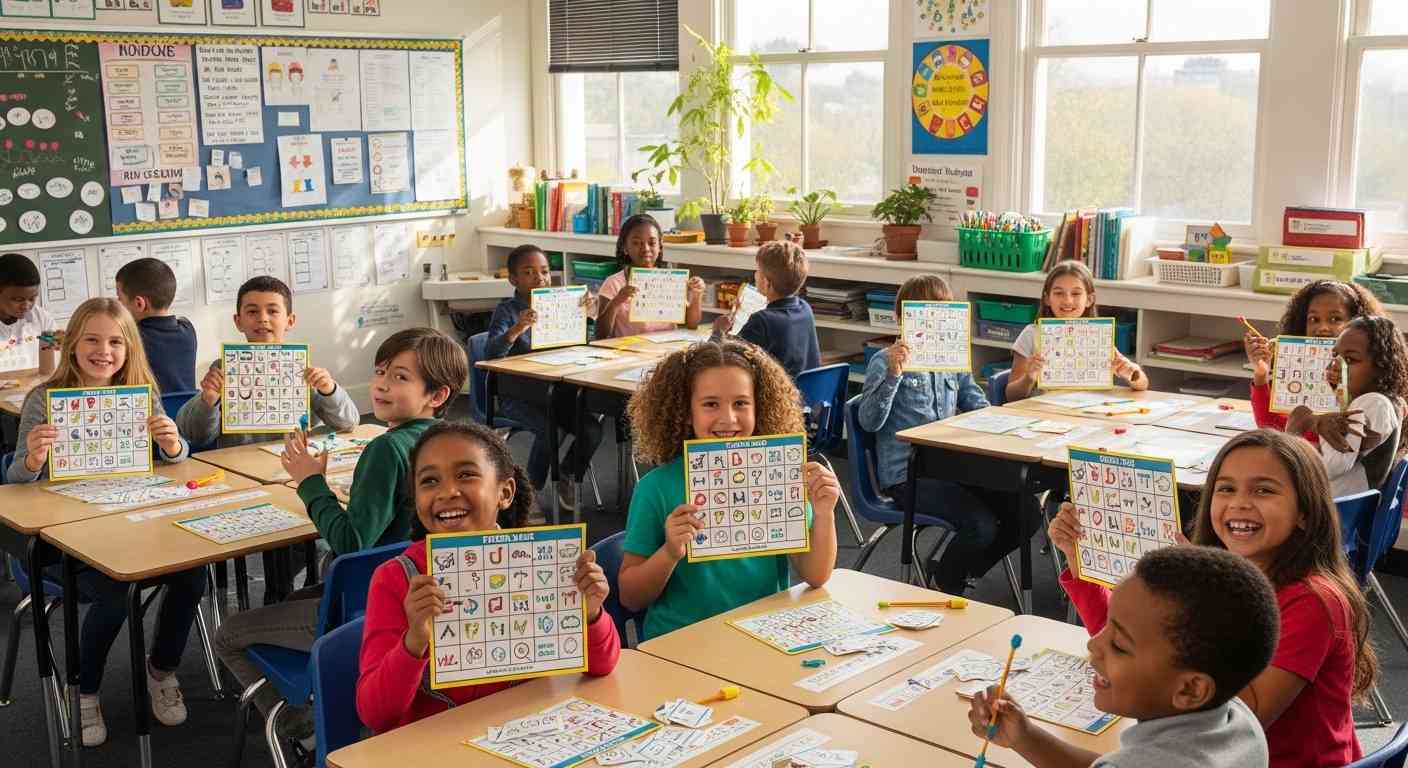
In Classroom Bingo, the children are given positive behaviour tasks to accomplish on a bingo card, like helping others or being on task. This game encourages good behaviour in a regular manner and not a one-time behaviour.
6. Simon Says

Listening and attention are enhanced by this traditional game. The only instructions students should take are those that start with Simon says. It is very useful with younger learners who require assistance in concentrating on instructions.
7. Line-Up Challenge
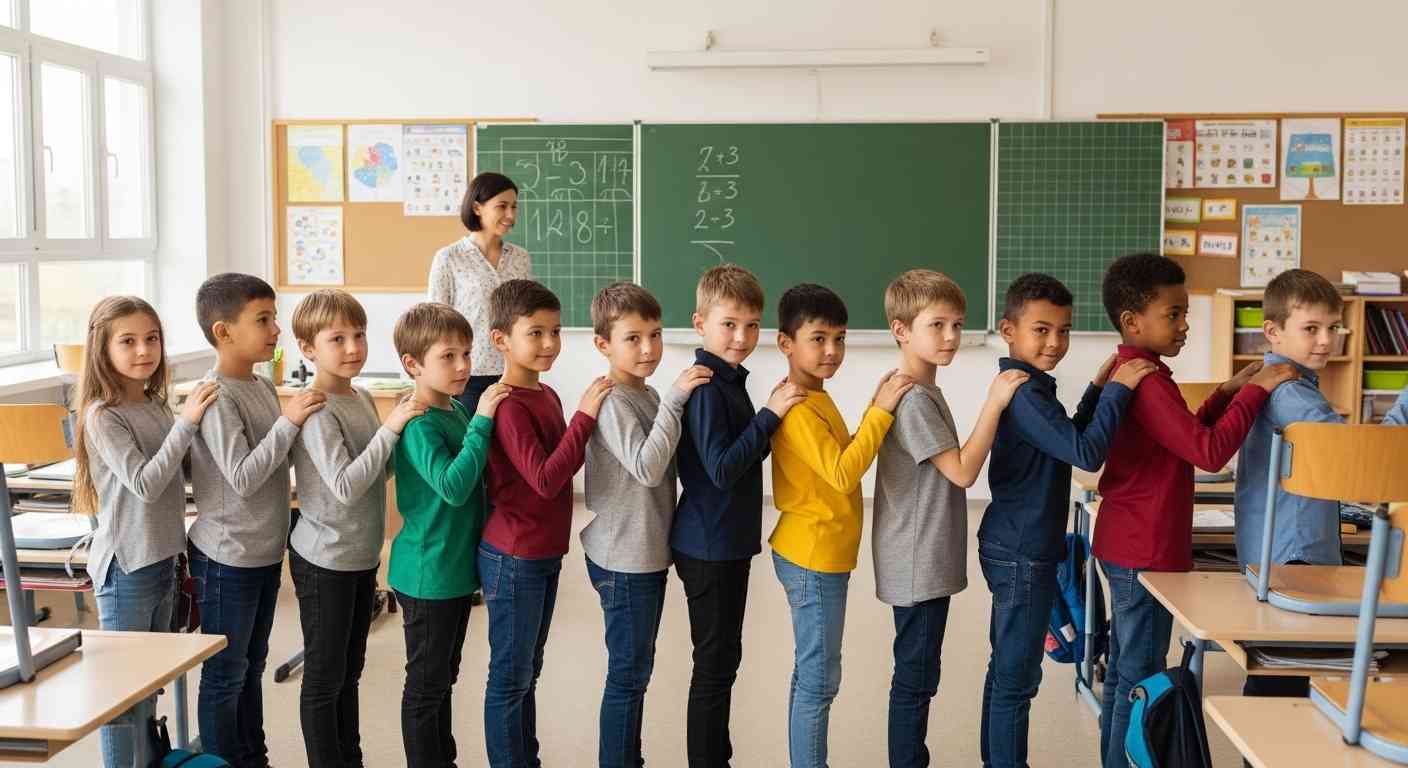
Students are told to stand in a certain line, e.g. according to height or birthday, without uttering a word. This exercise promotes collaboration, tolerance and problem-solving.
8. Noise Level Challenge
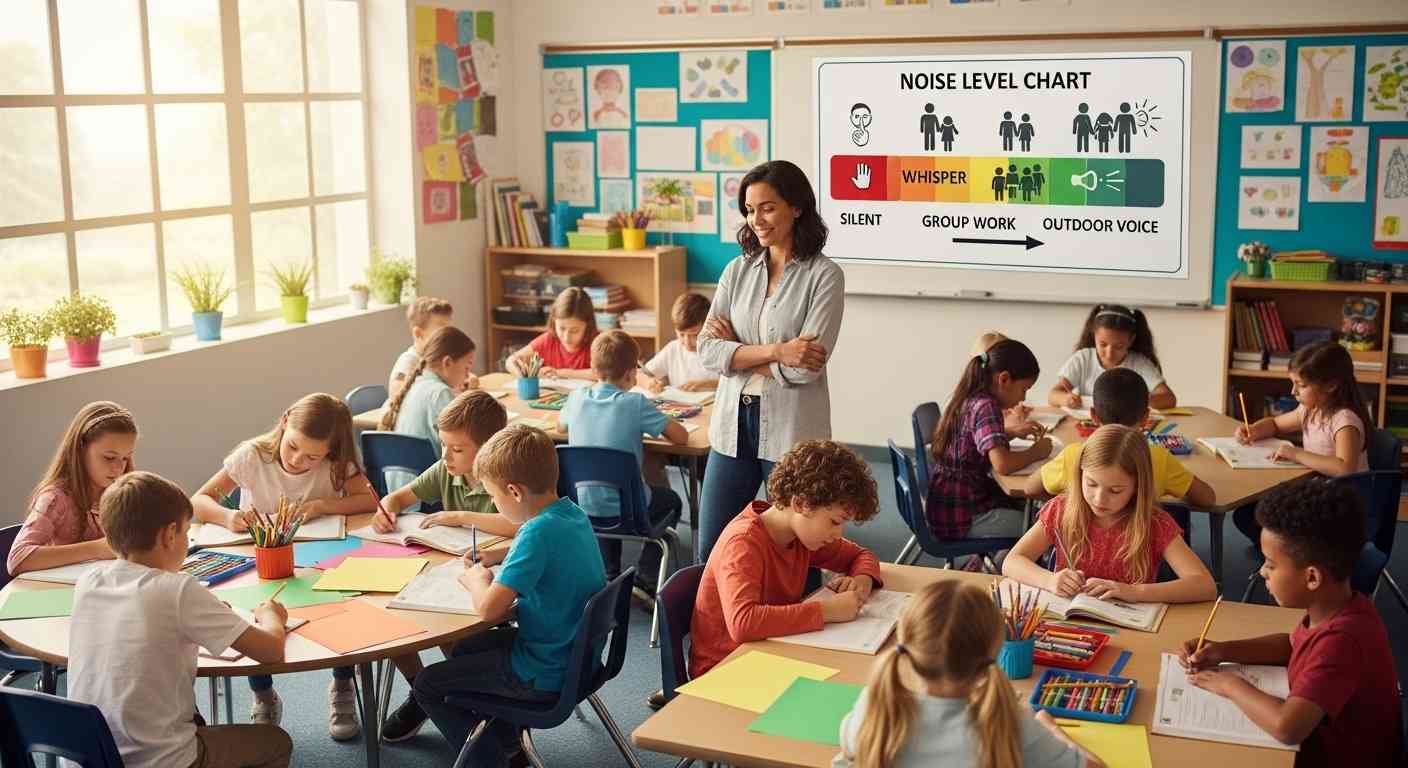
The educator establishes a goal noise level for the classroom. In case students remain at the same level, they are rewarded. The game is also fantastic to use when there is group work, and noise can be easily put in order.
9. Brain Break Activities
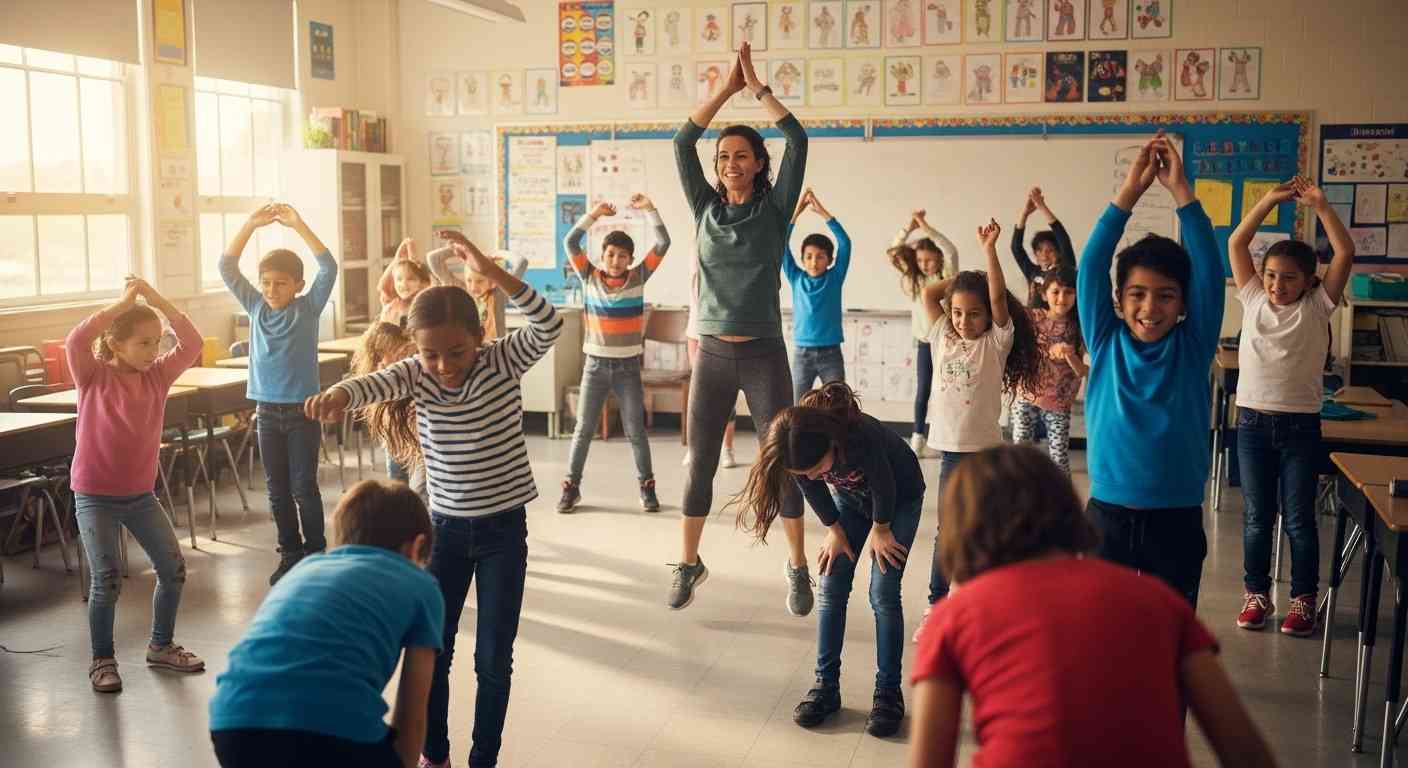
Small exercises make the students vent their energy. These may be stretching, jumping or fast dance moves. Educators can also refer to such services as GoNoodle to take students through enjoyable movement activities.
10. Digital Reward Systems

The application of such programs as ClassDojo to monitor the behaviour of students and reward good behavior is common in modern classrooms.
These tools help classroom management to be more organized and visual.
Classroom Management Game Tips.
These games are supposed to be used by teachers strategically to achieve the maximum results. Consistency is key. It is important that students should have the knowledge of the rules prior to playing.
Excessive use of rewards is also a problem to avoid. Although incentives may be inspiring, the primary objective is to develop internal discipline.
The other helpful hint is to turn the games around on a regular basis. The same game every day may cause loss of interest among the students. The introduction of variety would ensure that the level of excitement is maintained.
Finally, it is necessary to always customize games by age and classroom. What is effective with younger students might not be effective with older students.
Pros of Classroom Management Games.

There are many advantages associated with classroom management games other than discipline. They enhance interaction between students, thus more interactive and enjoyable.
They also establish a feeling of community in the classroom. Students get to know how to collaborate, treat one another with respect and be a team player.
The other significant strength is greater concentration. Brief games between lessons are serving as mind breaks, as the students are able to work with a better focus after taking the short break. With time, such activities will lead to good classroom culture where students are encouraged to act.
Frequently Asked Questions (FAQs)
1. What are classroom management games?
They are structured activities designed to improve student behavior, engagement, and classroom discipline in a fun way.
2. Are these games suitable for all age groups?
Yes, but they should be adapted according to the students’ age and maturity level.
3. How often should teachers use these games?
They can be used daily, especially during transitions or when students lose focus.