
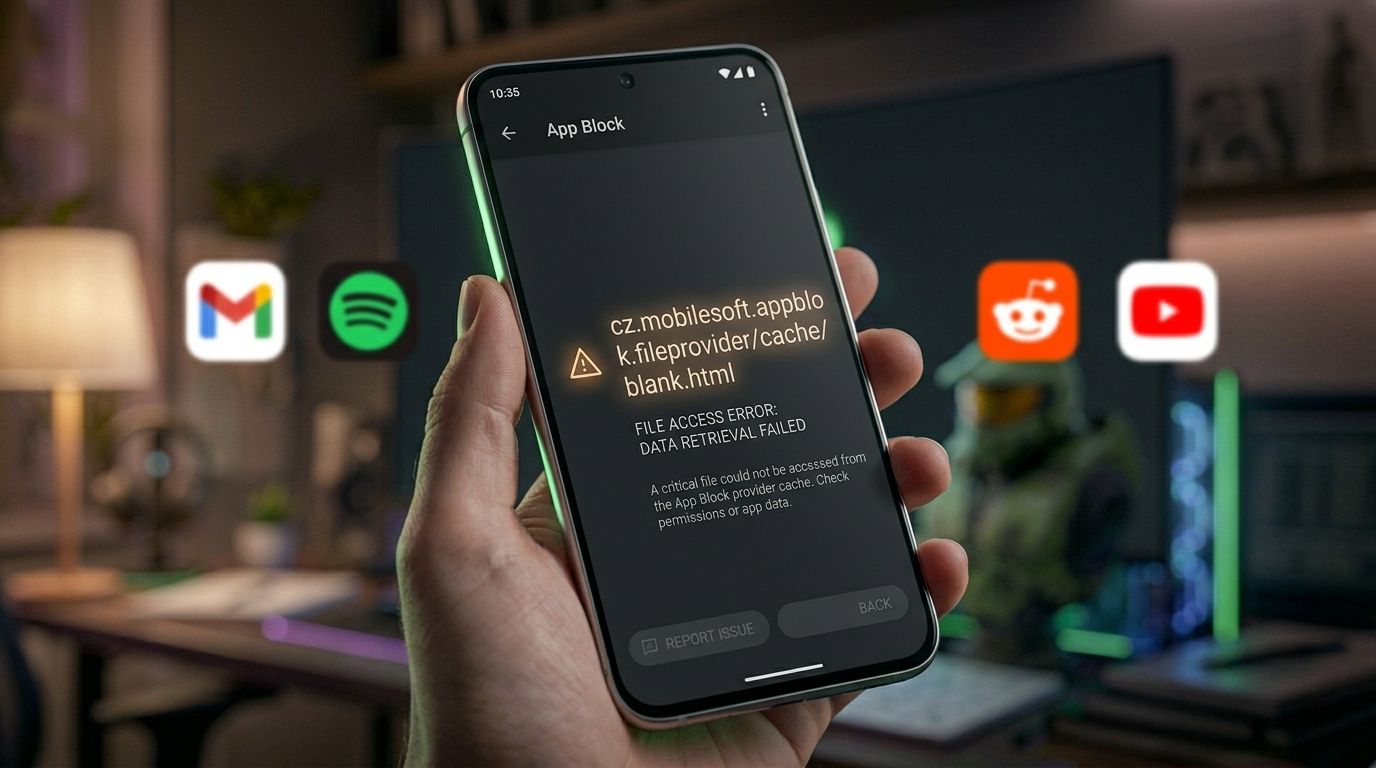
How to Fix Content CZ Mobilesoft AppBlock Cache Blank HTML Error (Android)
If you’ve ever encountered the path “content://cz.mobilesoft.appblock.fileprovider/cache/blank.html” on your Android device, you probably felt confused or even worried. At first glance, this string looks highly technical, almost like a system error or something suspicious.
However, this path is not harmful. It is a standard Android content URI that is generated by the AppBlock application when it attempts to access cached HTML data. The issue occurs when the app fails to properly load or render that content, resulting in what appears to be a blank or empty HTML page.
Understanding what this message means is important because many users mistake it for malware or a system failure. In reality, it is a minor technical glitch that can be resolved easily with a few simple steps. In this guide, we will break down the meaning of this term, explain why it appears, and provide practical solutions to fix it quickly.
If you want to fully understand what content cz mobilesoft appblock fileprovider cache blank html actually means, you can check this detailed guide that explains its structure, causes, and technical background in simple terms.
What Is content://cz.mobilesoft.appblock.fileprovider/cache/blank.html?
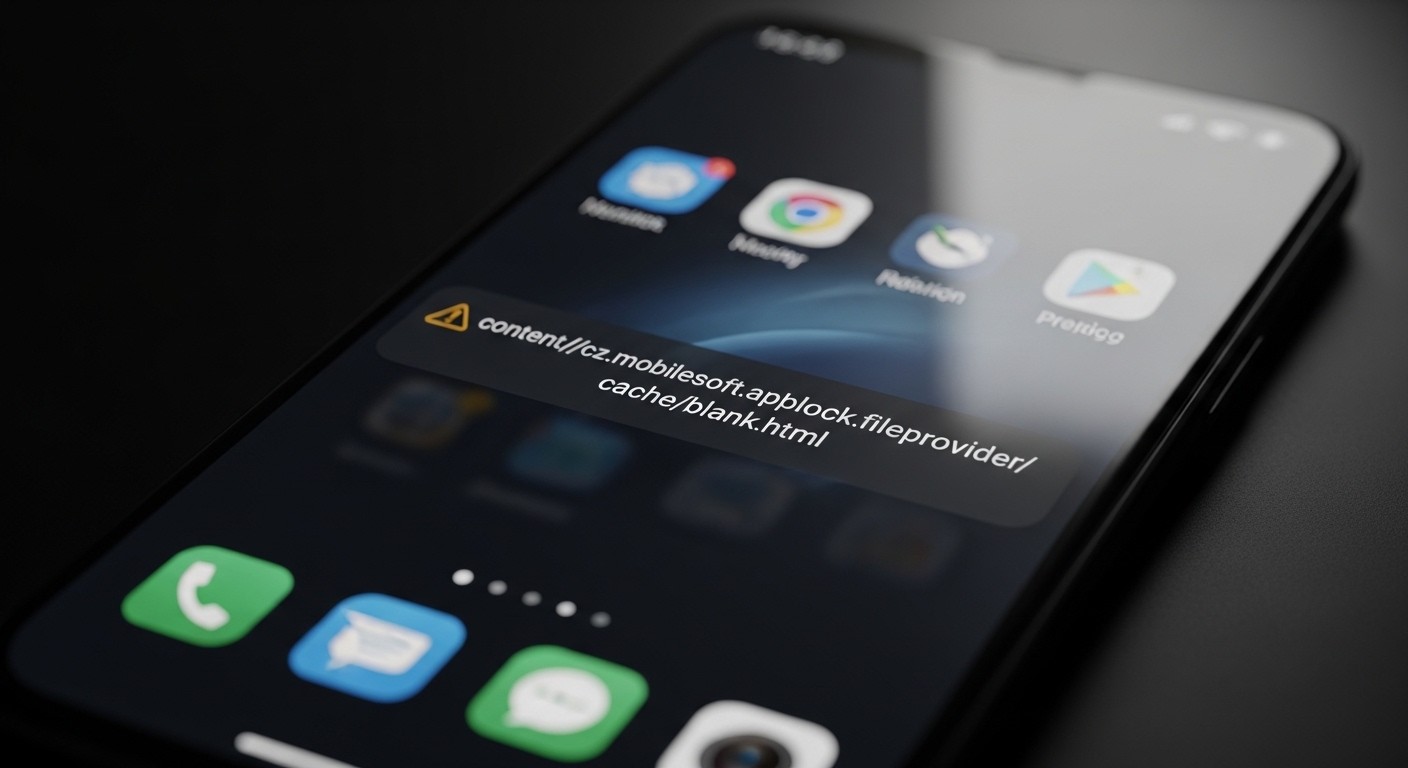
This path is a content URI used by Android to securely access files within an application. It specifically belongs to the AppBlock app, a productivity tool designed to block distracting apps and websites.
The path can be understood as follows:
- “content://” indicates that the data is being accessed through Android’s content provider system.
- “cz.mobilesoft.appblock” identifies the app that owns the data.
- “fileprovider” is a secure component that allows file sharing between apps.
- “cache/blank.html” refers to a temporary HTML file stored in the app’s cache.
This issue typically appears when the HTML file exists but contains no visible data or fails to render correctly.
Understanding Each Component in Detail
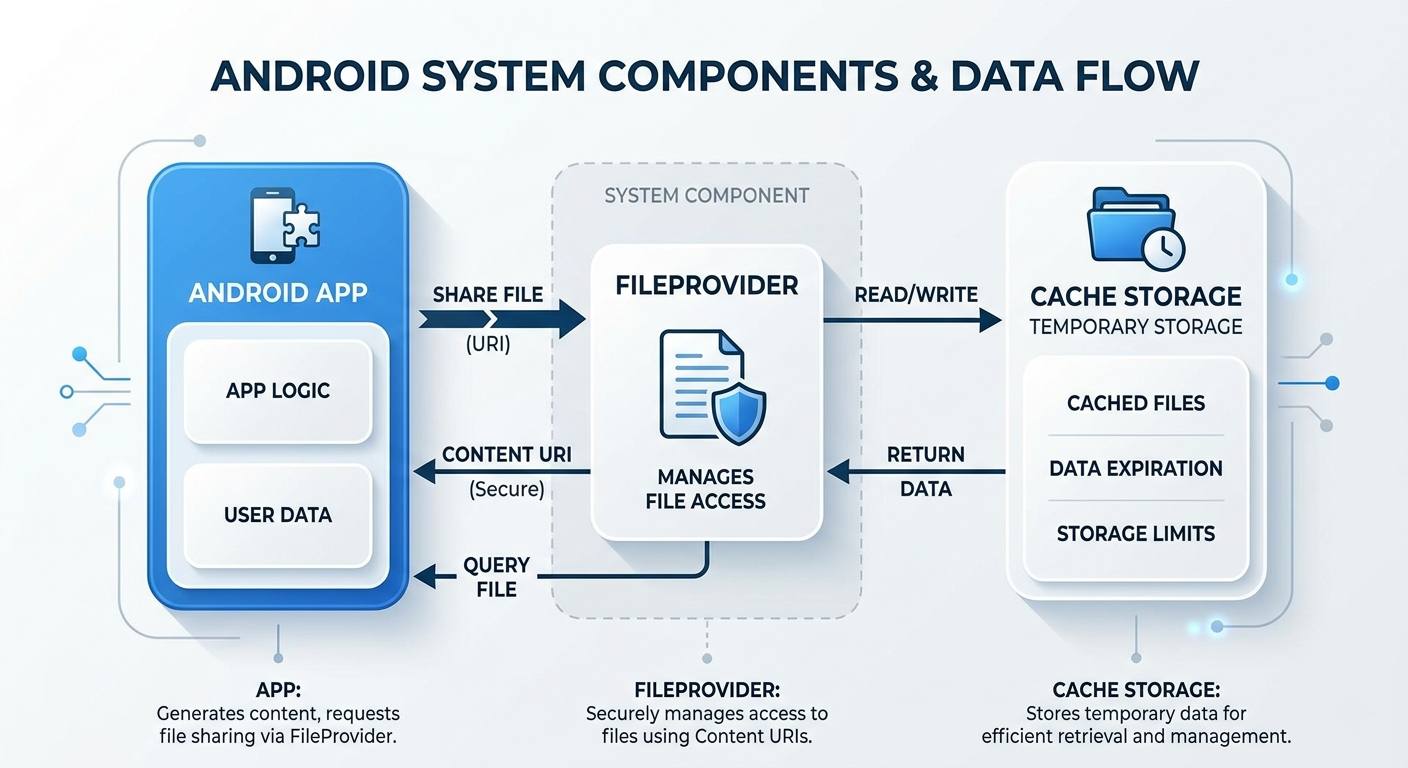
Android uses a structured system to manage and share data between applications. The “content://” scheme ensures that apps do not directly expose file paths, improving security.
AppBlock, developed by MobileSoft s.r.o., uses this system to store temporary files such as blocked webpage previews or internal content. When something goes wrong during this process, the app may attempt to load an incomplete or empty file, leading to the blank HTML issue.
Android uses a secure system called FileProvider to share files between apps. You can learn more from the official Android FileProvider documentation.
The FileProvider component acts as a bridge that allows secure file access without exposing internal directories. While this improves security, it can sometimes make debugging issues more complex for users.
When Does This Issue Appear?
You may encounter this issue in several situations:
- When opening a blocked website within AppBlock
- When switching between apps quickly
- When the app reloads cached content
- When viewing logs or debug information
- After clearing data partially or using cleaning apps
In most cases, it appears randomly and does not indicate a serious problem.
Why Does This Issue Occur?
There are several possible reasons behind this issue:
1. Corrupted Cache Files
Temporary files stored in the cache may become corrupted, especially if the app is interrupted during operation.
2. App Bugs or Glitches
Like any software, AppBlock may occasionally experience bugs that affect how files are generated or loaded.
3. Permission Issues
If storage permissions are restricted, the app may fail to access its own cached files.
4. Interrupted Processing
If the app crashes or is closed abruptly, it may create incomplete HTML files.
5. Outdated App Version
Older versions of the app may contain bugs that have already been fixed in updates.
How to Fix the Issue (Step-by-Step)
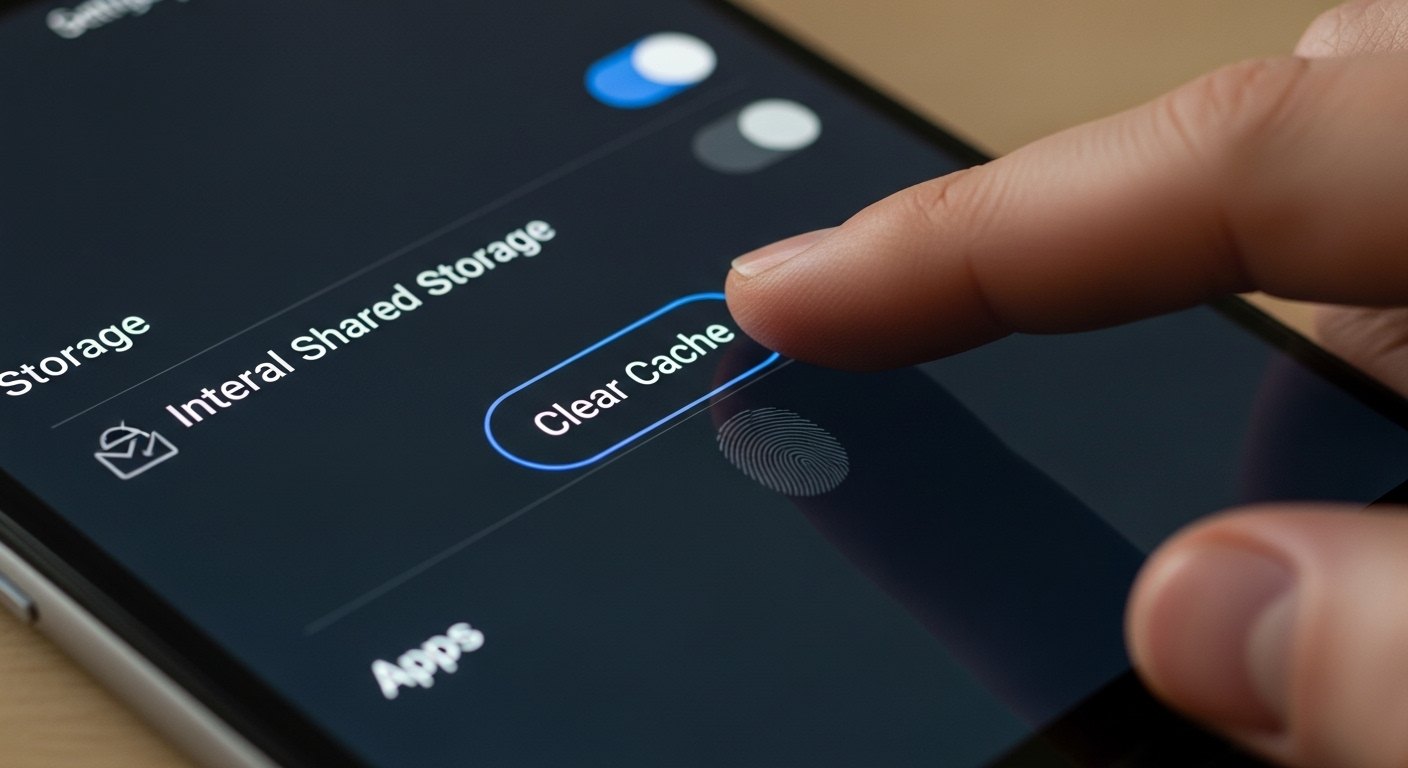
Here are the most effective solutions:
1. Clear App Cache
Go to Settings → Apps → AppBlock → Storage → Clear Cache. This removes temporary files without deleting your personal data.
Make sure you are using the latest version of the app. You can update it directly from the AppBlock app on Google Play Store.
2. Force Stop and Restart
Force stopping the app refreshes its processes and often resolves temporary glitches.
3. Update the App
Always use the latest version available on the Google Play Store to avoid known bugs.
4. Check Permissions
Ensure that storage permissions are enabled and background activity is not restricted.
5. Reinstall the App
If the issue persists, uninstall the app, restart your device, and install it again.
Is This a Virus or Security Risk?

No, this is not a virus or malware. It is a normal part of Android’s file handling system. The presence of “content://” and “fileprovider” simply indicates that the system is using secure methods to access data.
However, if you notice this issue appearing frequently or outside of the AppBlock app, it may indicate a configuration problem or a minor software bug that needs attention.
How to Prevent This Issue in the Future
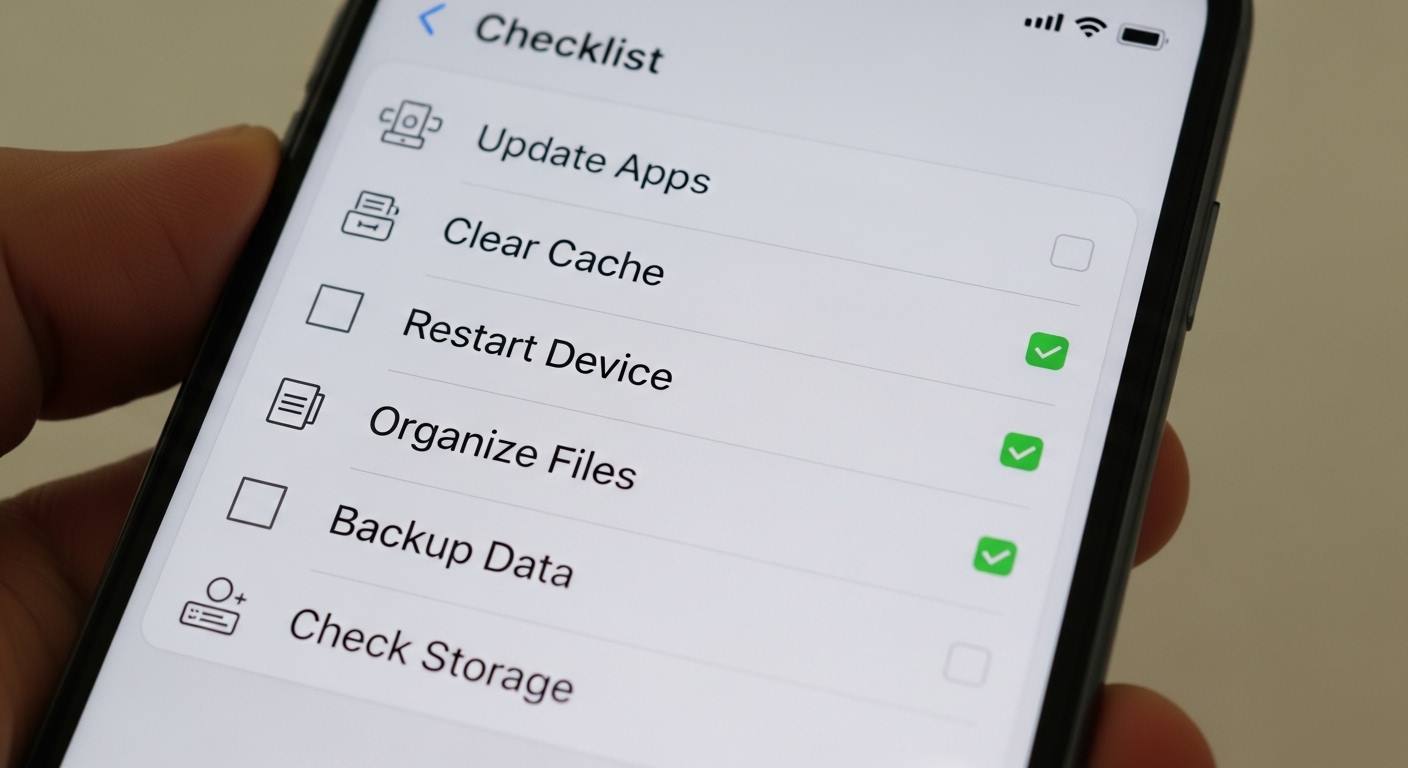
To reduce the chances of encountering this issue again, follow these best practices:
- Keep your apps updated regularly
- Avoid using aggressive cleaning apps
- Clear cache periodically
- Restart your device occasionally
- Ensure proper permissions are enabled
These steps help maintain optimal performance and reduce the likelihood of errors.
Real-Life Example
Imagine you open a website that is blocked by AppBlock. The app tries to display a cached version of the page instead. However, due to a glitch, the cached file is incomplete.
Instead of showing the webpage, the app displays:
content://cz.mobilesoft.appblock.fileprovider/cache/blank.html
In this case, clearing the cache resolves the issue immediately.
Final Thoughts
Although the term “content://cz.mobilesoft.appblock.fileprovider/cache/blank.html” may seem complicated, it simply refers to a cached file that failed to load properly. It is not dangerous and can be fixed easily.
By understanding how Android handles files and how apps like AppBlock use cache storage, you can troubleshoot such issues confidently and avoid unnecessary concern.
Frequently Asked Questions-FAQs
1: What does this error mean?
It indicates that a cached HTML file failed to load properly.
2: Is it safe to clear cache?
Yes, clearing cache is completely safe and recommended.
3: Why is the HTML file blank?
Because of corruption, incomplete loading, or app bugs.
4: Does this affect phone performance?
Not significantly, but repeated issues may slow down the app slightly.
5: Why does it keep appearing?
Usually due to outdated apps, corrupted cache, or minor glitches.