
Meaning of the Spider Lily: Symbolism, Cultural Significance, and Spiritual Interpretations
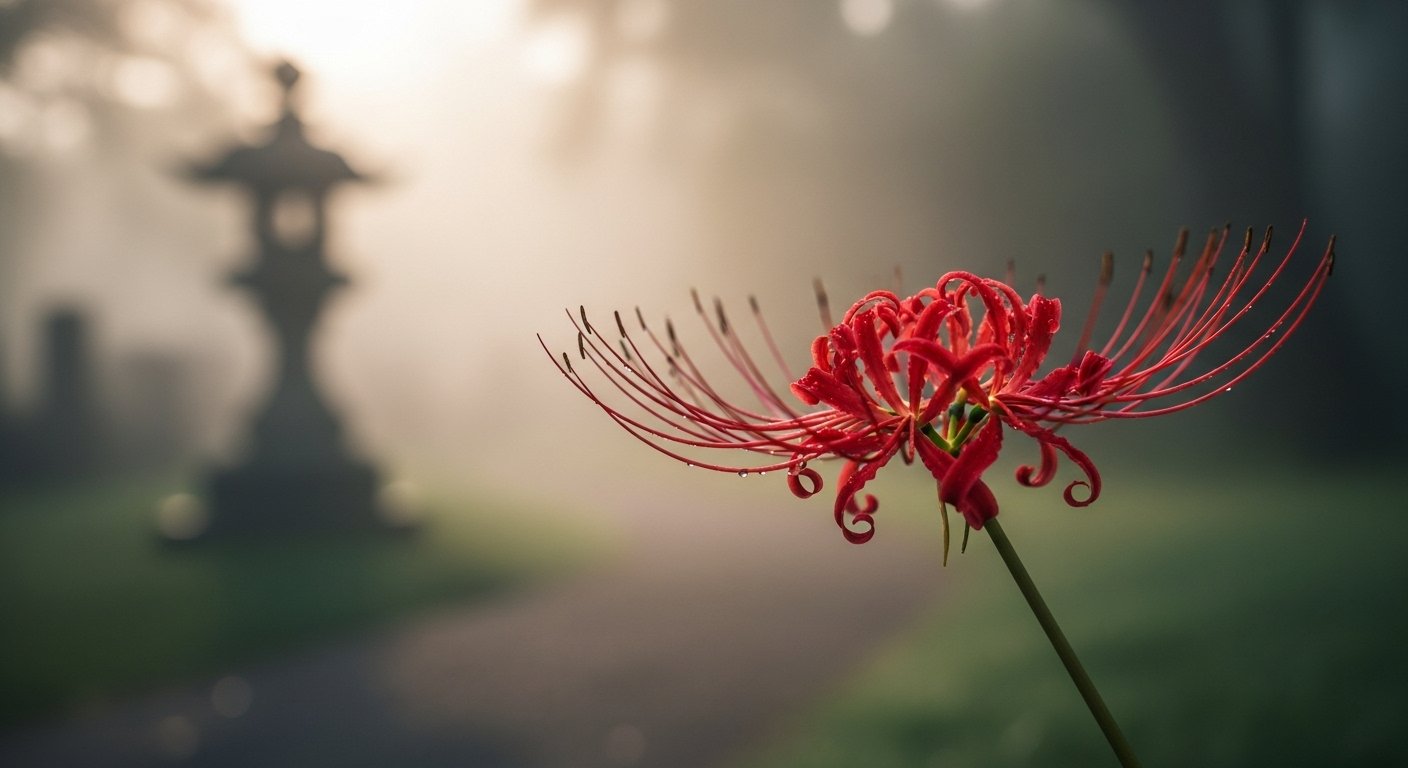
The spider lily is one of the most visually striking flowers in the world, known for its long, delicate petals that resemble spider legs stretching outward. Beyond its unusual appearance, the meaning of the spider lily holds deep emotional, spiritual, and cultural significance. Across different countries and belief systems, this flower has been associated with themes of death, loss, rebirth, and the unseen connection between life and the afterlife.
Often blooming suddenly after heavy rains and disappearing just as quickly, the spider lily has fascinated poets, artists, and spiritual thinkers for centuries. Its fleeting beauty reminds people of the temporary nature of life and the emotions tied to farewells and transitions.
What Is a Spider Lily?
The spider lily belongs to the Lycoris genus and is most commonly found in red, though white and yellow varieties also exist. It typically blooms without leaves, which adds to its mysterious reputation. Leaves usually appear only after the flowers fade, reinforcing symbolic interpretations of separation and impermanence.
Because of its growth pattern and vibrant color, the spider lily has become deeply symbolic rather than just ornamental.
The Core Meaning of the Spider Lily
At its heart, the meaning of the spider lily revolves around separation, endings, and transformation. Unlike flowers that represent joy or romance, the spider lily often conveys more complex emotions.
It is widely seen as a symbol of final goodbyes. In many cultures, it represents the moment when two paths diverge, and people must part ways, sometimes permanently. This association has made the flower both beautiful and sorrowful in meaning.
Another major interpretation is rebirth. Even though the spider lily is linked to death, it also symbolizes the idea that endings lead to new beginnings. Its sudden bloom after long dormancy mirrors the cycle of life, death, and renewal.
Spider Lily Meaning in Different Cultures
1. Japanese Symbolism
In Japan, the red spider lily is known as Higanbana. It is commonly planted near cemeteries and temples, strengthening its connection to death and the afterlife. The flower is believed to guide the souls of the dead to reincarnation.
In Japanese folklore, the spider lily symbolizes memories that can never be reunited. It often appears in stories where lovers or family members are separated by fate, making it a powerful emotional symbol.
2. Chinese Cultural Meaning
In Chinese culture, the spider lily is associated with the underworld and spiritual journeys. It is believed to bloom along the path souls take after death. Despite its association with death, it is not viewed as evil but rather as a guide that brings peace to wandering spirits.
The flower also represents destiny and unavoidable separation, reinforcing the idea that some events in life are beyond human control.
3. Western Interpretations
In Western symbolism, the spider lily is less commonly used but still associated with loss, mourning, and remembrance. Due to its red color, it is sometimes linked to strong emotions such as grief, passion, and sacrifice.
Spiritual Meaning of the Spider Lily
Spiritually, the meaning of the spider lily goes beyond physical death. It often represents emotional endings, spiritual awakening, and personal transformation. Seeing or being drawn to this flower may symbolize that someone is going through a major life transition.
The spider lily encourages acceptance of change. Spiritually, it reminds individuals to release attachments that no longer serve them and trust the process of renewal. While its symbolism may seem heavy, it ultimately points toward growth and enlightenment.
Emotional Symbolism and Life Lessons
Emotionally, the spider lily is closely tied to memories, grief, and healing. It reflects the pain of letting go while also honoring what once existed. For people experiencing heartbreak, loss, or closure, this flower represents acknowledgment of pain rather than denial.
At the same time, the spider lily teaches an important life lesson: beauty does not need permanence to be meaningful. Even brief moments can leave lasting impressions.
Spider Lily Colors and Their Meanings
The red spider lily is the most common and symbolizes death, farewell, and intense emotions. White spider lilies often represent purity, peace, and spiritual protection, making them slightly softer in symbolism. Yellow varieties are rarer and are sometimes associated with hope, renewal, and quiet optimism.
Each color adds a different emotional layer, but all share the core theme of transition and transformation.
Modern Symbolism and Popular Culture
In modern times, the spider lily frequently appears in anime, literature, and visual art to represent tragic love, fate, or irreversible choices. Its dramatic appearance makes it an ideal symbol for emotionally intense narratives.
Today, many people appreciate the spider lily not only for its beauty but also for its depth of meaning, especially during times of reflection or remembrance.
Final Thoughts
The meaning of the spider lily is rich, emotional, and deeply symbolic. It stands as a reminder that life is temporary, emotions are powerful, and endings are an essential part of growth. While often associated with death and loss, the spider lily ultimately speaks of transformation, rebirth, and the unseen connections that bind people across time and space.
Its beauty lies not just in how it looks, but in what it represents, a quiet, poetic acceptance of life’s most profound truths.