

“A Person Who Thinks All the Time” Quote – Meaning, Philosophy, and Life Lessons
The quote “A person who thinks all the time has nothing to think about except thoughts” is often attributed to philosopher Alan Watts. At first glance, it sounds paradoxical: how can someone who thinks constantly have nothing to think about? Yet this short line carries a profound message about the human mind, awareness, and the way overthinking shapes our experience of life.
In today’s fast-paced, information-heavy world, thinking has become a nonstop process. We analyze, judge, plan, regret, and imagine almost continuously.
In this guide, we will delve into the deeper meaning of the quote, its philosophical context, the interpretation of real-life quotes, and practical lessons for modern life.
Who was Alan Watts?
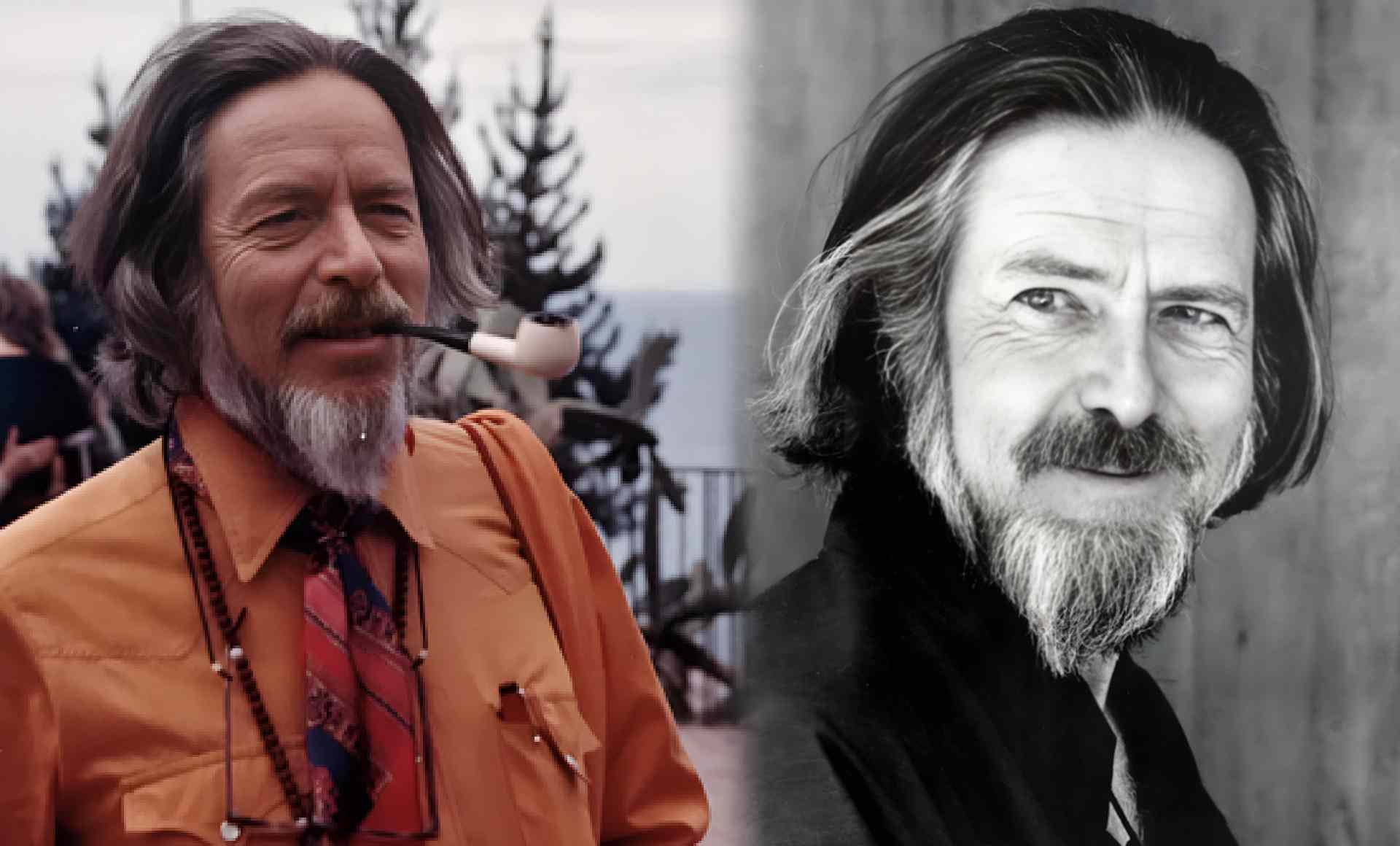
Alan Watts was a British philosopher, writer, and speaker who played a crucial role in introducing Eastern Philosophy to Western audiences. Born in 1915 in England, Watts developed an early fascination with Buddhism, Taoism, and Zen philosophy.
Later, he moved to the United States, where he became a well-known public intellectual through books, lectures, and radio talks.
Watts was not a traditional academic philosopher. Instead, he spoke in a simple, conversational style that made complex spiritual ideas accessible to everyday people. His teachings focused on consciousness, the illusion of the ego, the nature of reality, and the human tendency to overthink life rather than live it.
Alan Watts’ View on Thinking
Alan Watts believed that thinking is a useful tool, but a dangerous master. Watts thinks most human suffering comes from identifying too strongly with thoughts. Watts explained that people confuse their thoughts about reality with reality itself. This confusion leads to stress, fear, and dissatisfaction.
In his view, a person who thinks all the time becomes trapped in mental patterns. Instead of responding naturally to life, they analyze everything endlessly. Watts argued that true intelligence lies in knowing when to stop thinking and start experiencing life directly.
The Meaning Behind Alan Watt’s Quotes
Alan Watts’ quotes often sound simple, yet they carry deep philosophical meaning. When he spoke about thinking too much, he was pointing toward a loss of awareness. According to Watts, awareness is a natural state, while excessive thinking is a habit created by society.
He emphasized that thoughts are symbols, not reality. Words, ideas, and labels are helpful for communication, but they are not the actual experience of life. When people become addicted to thinking, they forget how to feel, observe, and simply exist.
Alan Watts on Life and Reality
Watts often portray life as a process rather than a problem to be solved. He believed that many people treat life as a serious task with a final goal, instead of a continuous flow meant to be experienced. This mindset, he argued, causes unnecessary pressure and fear.
Watts compared life to music or dance. The purpose of music is not to rush to the final note, but to enjoy the rhythm along the way. Similarly, life is meant to be lived in the present moment, not constantly judged, analyzed, or controlled by thought.
Instead of fighting with reality, individuals can experience mental freedom and emotional balance if they consider life as a passing journey.
Alan Watts and the Illusion of the Self
One of the central themes in Alan Watts’ work is the illusion of the ego. He explained that the idea of a separate, permanent self is largely a mental construction. People believe they are isolated individuals fighting against the world, which creates fear and loneliness. He taught that humans are not separate from nature, but part of it.
Just as waves are not separate from the ocean, individuals are expressions of the universe itself. This perspective helps reduce overthinking and encourages acceptance of life as it unfolds.
Lessons from Alan Watts’ Life
As an ordinary person, Watts’ life was surrounded by struggles too. But his interest in philosophy was eternal. He embraced curiosity, creativity, and freedom of thought. While he faced personal struggles, he remained honest about human imperfections. This honesty made his teachings more relatable and authentic.
His life shows that wisdom does not mean perfection. Instead, it means awareness, openness, and the ability to laugh at one’s own seriousness. Watts believed that life becomes lighter when people stop trying to control everything with their minds.
How Alan Watts’ Quotes Help Overthinkers?
People who overthink often feel trapped in their minds, which is quite common. Alan Watts’ quotes offer relief by reminding them that thoughts are temporary events, not permanent truths. His words encourage people to step back, observe their mental patterns, and reconnect with the present moment.
By understanding his message, overthinkers can learn to trust life instead of constantly analyzing it. This shift reduces stress and creates a sense of inner peace.
Final Thoughts
Alan Watts’ life and quotes offer a timeless reminder that thinking is only one part of human intelligence. His philosophy does not ask people to stop thinking completely, but to understand thinking’s limitations.
By doing so, individuals can live more peacefully, creatively, and authentically. Even today, Alan Watts’ words continue to guide those seeking clarity in a world filled with constant mental distraction.
Frequently Asked Questions (FAQs)
1. Who was Alan Watts?
He was a philosopher, a writer who is famous for brining, Eastern spiritual ideas to Western audiences through simple and engaging language.
2. What did Alan Watts say about thinking?
Watts believed that excessive thinking disconnects people from reality and that awareness is more important than constant mental activity.
3. Why are Watt’s quotes so popular?
His quotes are popular because they address modern issues like stress, anxiety, and overthinking in a relatable and insightful way.